


Depression
Depression is a common mental health condition that affects how you feel, think and behave.
We all experience feelings of low mood from time to time. Depression is when you feel low for a very long time, and this affects your day-to-day life. Anyone can get depression, or become depressed. About 1 in 10 people have it.
It is important to remember it is not your fault if you experience depression. People do not choose to feel low.
Support is available if you or someone you know are having a mental health crisis or emergency, no matter what you’re going through.
Find out where to get urgent help for mental health
What causes depression?
Depression does not have one main cause. These are a few examples of what can increase the risk of someone developing depression:
- past experiences
- diet
- drug/alcohol use
- brain chemicals
- genetics
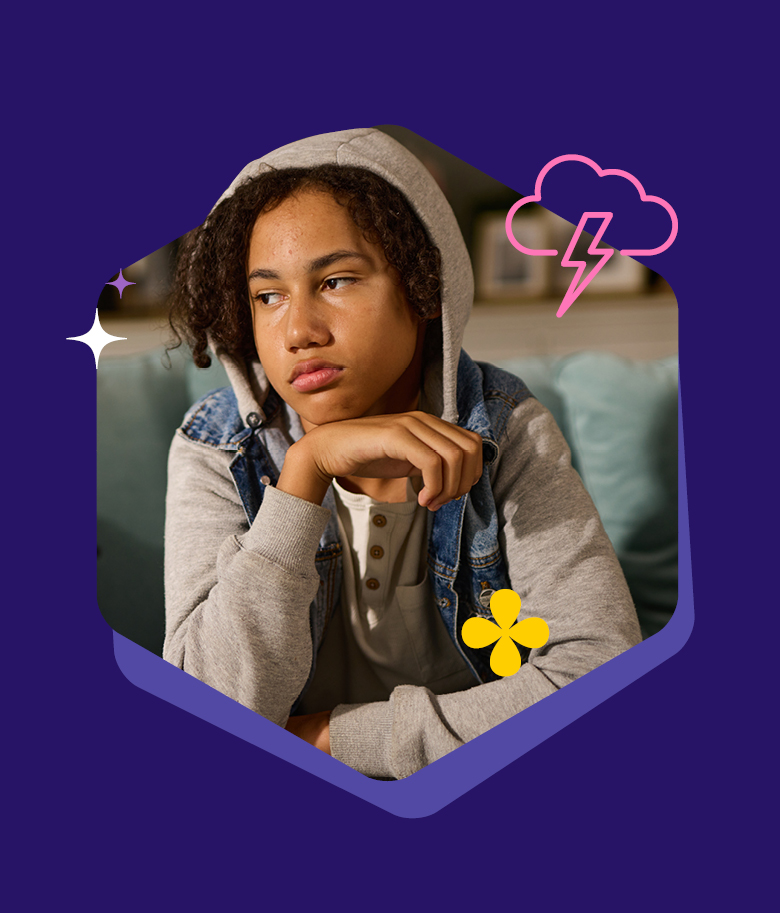
Physical symptoms
- Having less energy and tiring easily
- Having poorer concentration
- Poor sleep patterns
- Eating more, or less than usual
- Muscle aches/ headaches
Many of these overlap with symptoms of anxiety, it is not uncommon to experience both anxiety and depression together. Make a note of your symptoms to help recognise when you are feeling low.
Psychological symptoms
- Feeling low, irritable or anxious
- Loss of interest in things you used to enjoy
- Feeling guilty or worthless
- Fearing or thinking the worst will happen
- Feeling a sense of numbness
- Negative thoughts
Many of these overlap with symptoms of anxiety, it is not uncommon to experience both anxiety and depression together.
Treatments
- CBT helps you understand the links between your thoughts, feelings, and behaviour. It helps you to overcome your low mood by challenging negative thoughts and beliefs.
- Behavioural Activation focuses on encouraging people to approach activities that they are avoiding. This helps refocus on future goals.
- Medication can also help; speak to your GP if you think this could help you.
How to look after yourself
Below are some useful ways you can you to help look after yourself or others: